Rap Atlas Japan: Regional Guides to Japanese Hip-Hop

Explore hip-hop across Japan through regional guides to the people, places, releases and events that shaped each scene. Every guide keeps its sources available for further reading.
Reading in English日本語版へ →
Explore the regions
13 published / 13 regionsJapanese: 13 published · English: 13 published. Guides are listed without ranking.
Select a region on the map, or browse the cards below. Map positions are schematic.

Photo: Sergey Galyonkin / CC BY-SA 2.0 · Commons

Explore 14 core acts and three artists to watch through Tokyo neighborhoods, records, production and venues, from 1989 to JUMADIBA’s Kibarashi in September 2026.

Photo: Akonnchiroll / CC BY-SA 4.0 · Commons

Explore 17 core acts and one artist to watch, 27AM, across Yokohama, Kawasaki, Sagamihara and Shonan. A 1989–2026 timeline connects regional histories, records and collaborations.

Photo: kcomiida / CC BY-SA 3.0 · Commons

Follow 13 core entries and four artists to watch across six Saitama zones. One entry covers both Namedaruma and BADSAIKUSH, keeping the group’s history distinct from the individual’s origin.

Photo: そらみみ / CC BY-SA 3.0 · Commons

A guide to Osaka rap through recordings, studios, battles, bridges and collectives, with sixteen representative editorial entries and two emerging artists.

Photo: Nryate / CC BY-SA 4.0 · Commons

A sourced Nagoya and Tokai rap atlas: 14 representative acts, four emerging artists, and documented lineages linking Suzuka, Hamamatsu and the wider region.

Photo: そらみみ / CC BY-SA 4.0 · Commons

Explore rap across Kyushu’s seven prefectures through eleven core entries and three acts to watch, with records, labels, venues and local activities.

Photo: Naha Mama Pavilionz / CC0 · Commons

Follow Okinawan rap through 098, Room 604, Akatsuchi and collaborations across the islands and mainland: nine representative artists, three to watch and records predating 2006.

Photo: 掬茶 / CC BY-SA 4.0 · Commons

THA BLUE HERB built an independent label in Sapporo; N.C.B.B made a major-label debut while keeping the city as its base. Follow these different routes through Hokkaido rap, from CLUB GHETTO to ILL-BOSSTINO and DJ KRUSH's XO.

Photo: Sendai Blog / CC BY 2.0 · Commons

Ten overlapping group and solo profile entries and two artists to watch: follow Tohoku through records, collaborators, Morioka’s shops, Sendai’s music and Shirakawa’s battles.

Photo: そらみみ / CC BY-SA 4.0 · Commons

PSYCHO BLOW's Hiroshima events, Okayama's battle circuit, KOWREE in Shimane and JAKE in Tottori reveal a region with several centers. This guide follows twelve main acts and one emerging act through records, venues and national breakthroughs.

Photo: Kounosu / CC BY-SA 3.0 · Commons

From Bushi's Kagawa catalog to Watson's Budokan show, Shikoku rap has several routes to a national audience. Seven main acts and one emerging artist connect this guide's records, parties and battle histories.
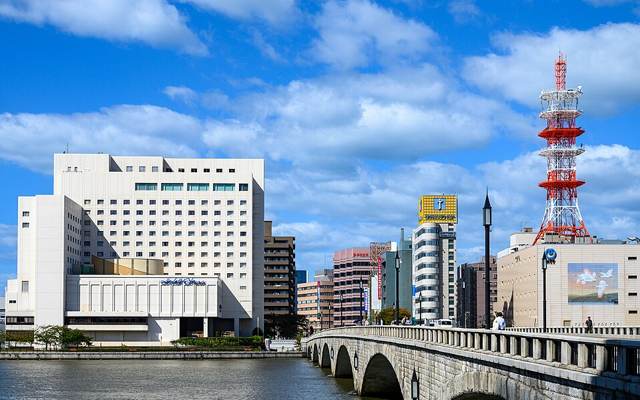
Photo: xiquinhosilva from Cacau / CC BY 2.0 · Commons
.jpg)
Five prefectures, no single center. This atlas maps 10 core acts across four prefectures, Toyama production ties, official UMB records and a 1999–2026 timeline.

Photo: 小石川人晃 / CC BY-SA 4.0 · Commons
.jpg)
Mito's label connections, Tochigi and Gunma's battle qualifiers, and digital releases from Tsuchiura and Shimotsuma form different routes through North Kanto rap. Eight main entries and two emerging artists guide this regional record.
Follow the artists
Continue through the Artist Profiles archive to explore artists’ careers, releases and connections.
Criteria and scope
Birthplace, upbringing, formation location and current base are distinct. We check official records, first-person accounts and reliable reporting, and distinguish documented facts from editorial analysis.
- No ranking of artists or regions.
- No paid placement or paid changes to ordering.
- Material corrections remain visible in each guide.
Corrections and additions
Send an official URL, publication date and the passage concerned through our editorial contact page. New information is checked before publication.