HIPHOPCs Global Hip-Hop, JP.

Rap Atlas US: Regional Records of American Rap, 11 Scenes, 97 Acts

Rap Atlas US is HIPHOPCs' regional record of American rap: 11 published scenes, 97 unique acts and 97 scene memberships, with no ranking. “Acts” means distinct credited acts; the membership count is identical because no act currently appears in more than one published scene.

Each entry states its geographic connection, evidence scope and limits. Scene evidence was last verified through .

This is a companion to the Japanese Rap Atlas and follows the same criteria: no paid placement, no ranking, attribution only from self-declared or reliably reported sources, and no unverified allegations. Corrections and additions: contact form.

Published scenes — pick a region

Launch poster snapshot: the original ten-scene, 96-act map verified 2026-09-04 is preserved above. The current published registry, including Virginia, is the accessible tile and record list below.

Scene records

NEW YORKSource-verified · 12/12

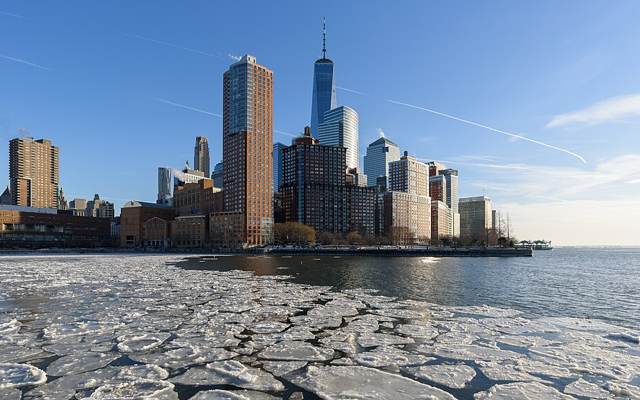
New York is where hip-hop was born — at DJ Kool Herc’s party at 1520 Sedgwick Avenue in the Bronx on August 11, 1973 — and the city that wrote the East Coast canon. Grandmaster Flash and the Furious Five turned party music into social commentary with ‘The Message’ (1982) and became the first rap group in the Rock and Roll Hall of Fame (2007); Run-D.M.C. from Hollis, Queens took rap to its first gold, platinum and multi-platinum albums; Rakim (Wyandanch, Long Island) and Big Daddy Kane (Brooklyn, Juice Crew) rewrote MC technique in 1987-88. The 1990s belonged to Queensbridge’s Nas (‘Illmatic’, 1994), Staten Island’s Wu-Tang Clan (‘Enter the Wu-Tang’, 1993), Brooklyn’s The Notorious B.I.G. (Bad Boy, killed March 9, 1997; ‘Life After Death’ 11x Platinum) and JAY-Z (Marcy Houses, Roc-A-Fella, 25 Grammys, Rock Hall 2021). South Jamaica’s 50 Cent sold 2.1 million copies of ‘Get Rich or Die Tryin” in three weeks (2003); Harlem’s A$AP Rocky, the Bronx’s Cardi B (first solo woman to win Best Rap Album, 2019) and Canarsie’s Pop Smoke (Brooklyn drill, 2019-20) carried the city into the 2010s and 2020s.

New York City’s five boroughs (the Bronx incl. Highbridge; Harlem; Queens incl. Hollis, Queensbridge and South Jamaica; Brooklyn incl. Marcy/Bed-Stuy, Clinton Hill and Canarsie; Staten Island incl. Park Hill/Stapleton), plus Long Island (Wyandanch) and Yonkers · 12 acts

Grandmaster Flash, Run-DMC, Rakim, Big Daddy Kane, Nas, The Notorious B.I.G., JAY-Z, Wu-Tang Clan, 50 Cent, A$AP Rocky, Cardi B, Pop Smoke

HIPHOPCs coverage: Diddy・50 Cent恩赦リスト報道 (JA)

CHICAGOSource-verified · 9/9

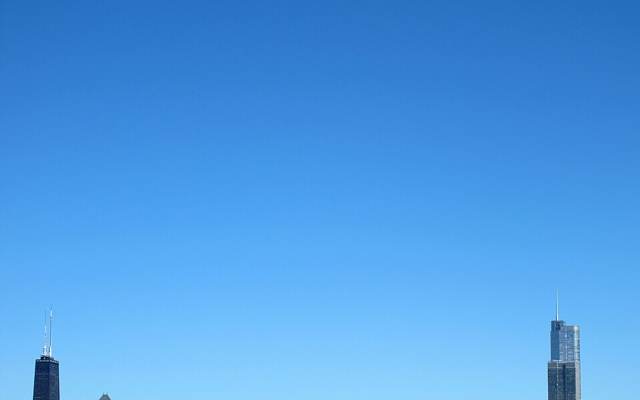
Chicago rap has run on two tracks since the 1990s. Common’s Can I Borrow a Dollar? (1992) and Resurrection (1994), Twista’s Guinness-certified speed and Adrenaline Rush (1997), then Kanye West’s The College Dropout (2004) and Lupe Fiasco’s Food & Liquor (2006) made the city a home for sample-based lyricism; Chance the Rapper’s Acid Rap (2013) and Coloring Book (the first streaming-only album to win a Grammy, 2017) extended that line. On the South Side, Chief Keef’s ‘I Don’t Like’ (2012) and Finally Rich carried drill from Parkway Gardens to Interscope, and Lil Durk’s OTF, King Von and Polo G took Chicago street rap to Billboard 200 No. 1s in the 2020s.

Chicago, Illinois (South Side incl. Chatham, Englewood, South Shore, Washington Park/Parkway Gardens; West Side incl. K-Town and Madison Terrace; North Side incl. Old Town) · 9 acts

Common, Twista, Kanye West, Lupe Fiasco, Chief Keef, Chance the Rapper, Lil Durk, Polo G, King Von

HIPHOPCs coverage: Lil Durk裁判 第2週 (JA) Lil Durk裁判 ‘Get Back’証拠 (JA)

DETROITSource-verified · 7/9

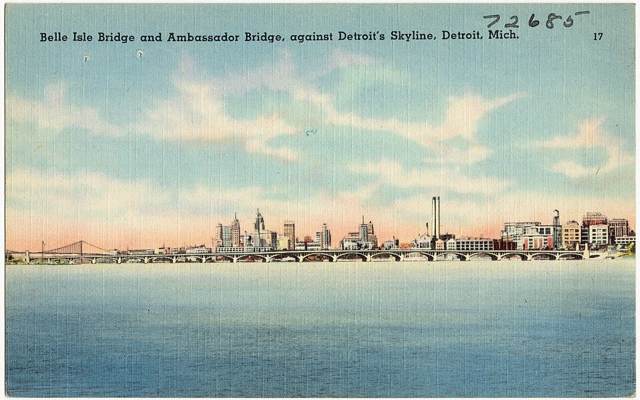
Detroit rap runs on two lineages that rarely sound like anywhere else. One is the producer line: J Dilla recorded Slum Village in his Conant Gardens basement in the mid-1990s, became the backbone of the Soulquarians, and released Donuts (Stones Throw) three days before his death on February 10, 2006. The other is the battle-and-street line: the Hip Hop Shop battle scene that produced Eminem, Proof and D12; Shady Records (est. 1999); Royce da 5’9″‘s Bad Meets Evil and Slaughterhouse; and, after Team Eastside and Doughboyz Cashout laid the groundwork in the early 2010s, the street-rap wave that Tee Grizzley’s ‘First Day Out’ (2016, Hot 100 No. 48), 42 Dugg’s ‘We Paid’ with Lil Baby (2020, Hot 100 No. 10) and Babyface Ray’s FACE (2022, Billboard 200 No. 31) carried onto national charts — Pitchfork called Michigan ‘2020’s most exciting regional scene’. Between the two sit Big Sean’s three Billboard 200 No. 1s (2015-2020) and Danny Brown’s XXX (2011) and Warp-era albums.

Detroit metro, Michigan (City of Detroit — East Side, West Side, Conant Gardens + the 8 Mile Road corridor / Warren, Macomb County) · 9 acts

J Dilla, Eminem, Royce da 5’9″, Slum Village, Big Sean, Danny Brown, Tee Grizzley, 42 Dugg, Babyface Ray

ATLANTASource-verified · 10/12

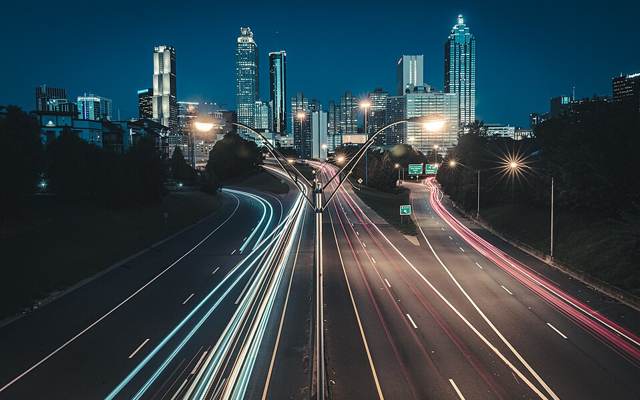
Atlanta has been American rap’s center of gravity since the mid-1990s. LaFace Records (1989) and So So Def (1993) gave the city a major-label infrastructure; Organized Noize’s basement studio ‘the Dungeon’ in East Point produced OutKast and Goodie Mob, and André 3000’s ‘The South got something to say’ at the 1995 Source Awards named the shift. T.I.’s Trap Muzik (2003), Jeezy’s Thug Motivation 101 (2005) and Gucci Mane’s 1017 turned trap from a local sound into the national default, and Quality Control (2013), YSL (2016), Freebandz, Slaughter Gang, 4PF and Opium carried Migos, Young Thug, Future, 21 Savage, Lil Baby and Playboi Carti to Billboard 200 No. 1s and Grammy wins through the 2010s and 2020s.

Atlanta metro, Georgia (City of Atlanta + East Point, Decatur/DeKalb County, College Park, Riverdale, Lawrenceville/Gwinnett County) · 12 acts

OutKast, Goodie Mob, T.I., Ludacris, Jeezy, Gucci Mane, Future, Migos, Young Thug, 21 Savage, Lil Baby, Playboi Carti

HIPHOPCs coverage: FORCE FESTIVAL: Lil Baby×YZERR報道 (JA)

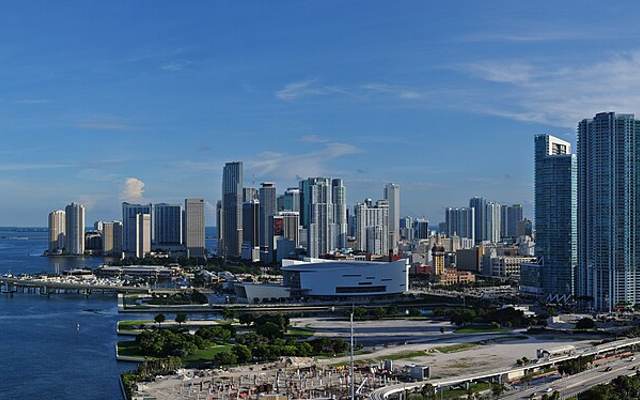
MIAMISource-verified · 8/9

Miami’s rap history starts with Luther Campbell: a Liberty City DJ whose Ghetto Style DJs parties and Luke Skyywalker Records turned 2 Live Crew into the first Southern rap group to go platinum (As Nasty As They Wanna Be, RIAA 1989) and, through the 1990 obscenity ruling, its 1992 reversal and the 1994 Supreme Court decision Campbell v. Acuff-Rose, into a First Amendment and fair-use landmark. Ted Lucas’s Slip-N-Slide Records (1994) built the next canon from Liberty City with Trick Daddy’s www.thug.com (1998) and Trina’s Da Baddest Bitch (2000), then carried Carol City’s Rick Ross to a Billboard 200 No. 1 with Port of Miami (2006). Pitbull, signed to Luke Records in 2001, and DJ Khaled, a New Orleans native who came to Miami’s 99 Jamz in 1998, took the city into global pop (Give Me Everything, No. 1, 2011; three Khaled No. 1 albums, 2016-2021; a Grammy for Higher). In the 2010s SpaceGhostPurrp’s Raider Klan and Broward County’s SoundCloud generation produced Denzel Curry (Carol City) and Kodak Black (Pompano Beach, Dying to Live No. 1, 2018), while Opa-locka and Liberty City’s City Girls, signed to Atlanta’s Quality Control, reached No. 1 on Drake’s In My Feelings (2018).

Miami-Dade and Broward counties, Florida (Liberty City, Carol City/Miami Gardens, Opa-locka, Hialeah, Miramar/Davie, Pompano Beach, Fort Lauderdale/Lauderhill) · 9 acts

Uncle Luke, Trick Daddy, Trina, Rick Ross, Pitbull, DJ Khaled, Denzel Curry, Kodak Black, City Girls

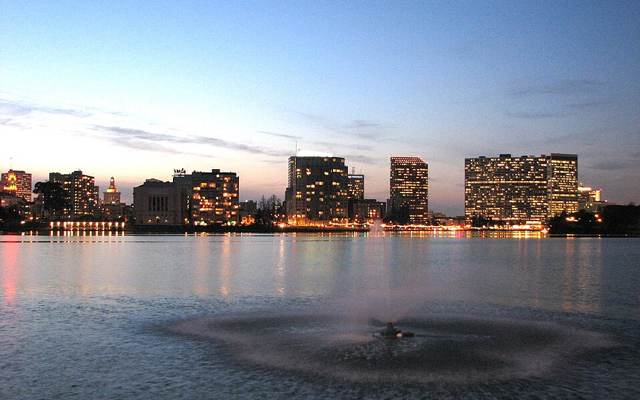
BAY AREASource-verified · 4/6

The Bay Area is American rap’s oldest independent economy. Too $hort sold handmade cassettes in East Oakland in the early 1980s before a Jive run that produced a string of RIAA platinum albums; Digital Underground (Oakland, 1987) took ‘The Humpty Dance’ to a Grammy nomination in 1991; Del the Funky Homosapien, Souls of Mischief and the Hieroglyphics crew built their own label, Hieroglyphics Imperium, in 1995; and E-40’s Sick Wid It Records turned a family trunk-sales operation in Vallejo into a 1994 Jive distribution deal. Mac Dre’s Thizz Entertainment (1999) and the ‘hyphy’ vocabulary first put on record by Keak da Sneak became a national moment in 2006, when E-40’s My Ghetto Report Card reached No. 3 on the Billboard 200 with ‘Tell Me When to Go’ (feat. Keak da Sneak). Hiero Day (2012-), G-Eazy’s No. 3 debut These Things Happen (2014), the E-40 vs. Too $hort Verzuz (2020) and Mount Westmore (2022) carried the region’s lineage into the 2020s.

San Francisco Bay Area, California (Oakland/East Oakland, Vallejo, San Francisco, Berkeley, Richmond, San Jose, Alameda, Sacramento as a Thizz-era base; Pinole and Hunters Point appear in current reporting) · 6 acts

Too $hort, E-40, Mac Dre, Del the Funky Homosapien, Keak da Sneak, G-Eazy

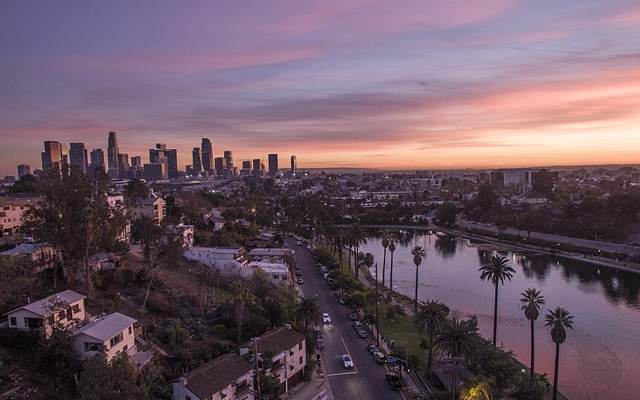
LOS ANGELESSource-verified · 10/11

Los Angeles built West Coast rap in layers. Uncle Jamm’s Army parties and KDAY 1580 AM (the first all-rap station, from 1983) created an audience; Ice-T’s ‘6 in the Mornin” and Rhyme Pays (1987) set the gangsta-rap template; N.W.A’s Straight Outta Compton (1988, Ruthless/Priority) took Compton national and drew an FBI letter. Dr. Dre’s The Chronic (1992) and Snoop Dogg’s Doggystyle (1993) on Death Row made G-funk the sound of the mid-1990s, and 2Pac’s Death Row year produced All Eyez on Me. TDE (2004) carried Kendrick Lamar from Compton to a Pulitzer Prize (2018) and a Super Bowl halftime (2025), while The Game, YG, Nipsey Hussle and Tyler, the Creator each kept a different corner of LA County on the charts.

Los Angeles County, California (South Central/South LA incl. Crenshaw and Hyde Park, Compton, Long Beach, Inglewood, Hawthorne, Ladera Heights, Carson) · 11 acts

Ice-T, N.W.A, Dr. Dre, Ice Cube, 2Pac, Snoop Dogg, The Game, Nipsey Hussle, Kendrick Lamar, YG, Tyler, the Creator

HIPHOPCs coverage: 2Pac殺害事件・有罪評決 (JA) 2Pac事件30年の完全整理 (JA) Tupac Trial Week One (EN)

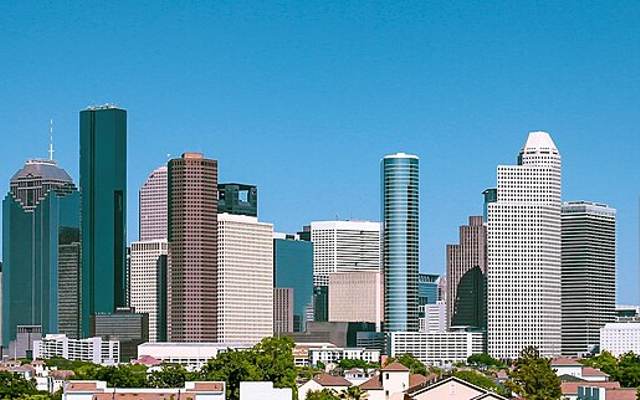
HOUSTONSource-verified · 8/9

Houston built the first self-sufficient rap economy in the South. James Prince’s Rap-A-Lot Records (Fifth Ward, mid-1980s) took the Geto Boys and Scarface national without a major label; independent distributor Southwest Wholesale carried UGK (Port Arthur), DJ Screw and Lil’ Keke into stores; and DJ Screw’s chopped and screwed tapes from the South Side, answered by Michael ‘5000’ Watts’s Northside Swishahouse, became the city’s signature. 2005-07 put Paul Wall, Mike Jones, Slim Thug and Chamillionaire (‘Ridin”, Hot 100 No. 1 and a Grammy) on national charts, and the Cactus Jack generation — Travis Scott (Missouri City) and Don Toliver (Southwest Alief) — plus Megan Thee Stallion (South Park) have carried Houston to Grammy wins and Billboard 200 No. 1s through the 2020s.

Houston metro and Gulf Coast Texas (Fifth Ward, South Side incl. South Park, Northside, Southwest Alief, Missouri City/Fort Bend County; Port Arthur) · 9 acts

Geto Boys, DJ Screw, UGK, Z-Ro, Paul Wall, Chamillionaire, Travis Scott, Megan Thee Stallion, Don Toliver

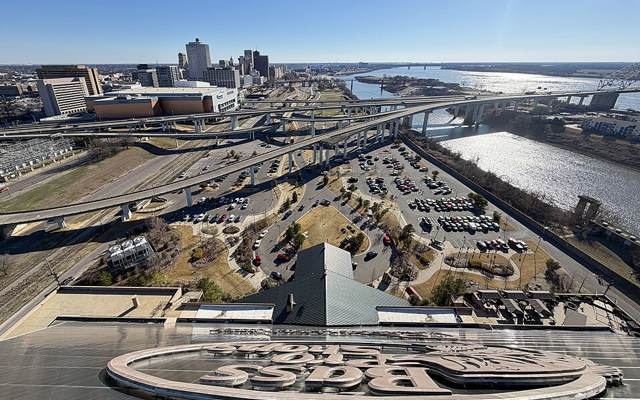
MEMPHISSource-verified · 8/9

Memphis rap grew from two independent lineages that still define the city’s sound. 8Ball & MJG’s Comin’ Out Hard (Suave House, 1993) set the pimp-and-Cadillac template, while DJ Paul, Juicy J and Lord Infamous built Three 6 Mafia from early-’90s mixtapes into Mystic Stylez (Prophet, 1995), then a platinum run and a 2006 Academy Award for ‘It’s Hard Out Here for a Pimp’. Yo Gotti (Frayser) returned the city to national charts in the 2000s and founded CMG (2012), which later signed Moneybagg Yo and GloRilla; Young Dolph’s Paper Route Empire proved a Memphis label could stay fully independent and launched Key Glock; NLE Choppa broke from Cordova High School with ‘Shotta Flow’ (2019). The lo-fi Three 6 tapes are now the sample bed for phonk worldwide.

Memphis, Tennessee (Orange Mound, Frayser/North Memphis, South Memphis, Westwood, Cordova) and the Memphis metro incl. Southaven, MS (Landers Center) · 9 acts

8Ball & MJG, Three 6 Mafia, Project Pat, Yo Gotti, Young Dolph, Moneybagg Yo, Key Glock, GloRilla, NLE Choppa

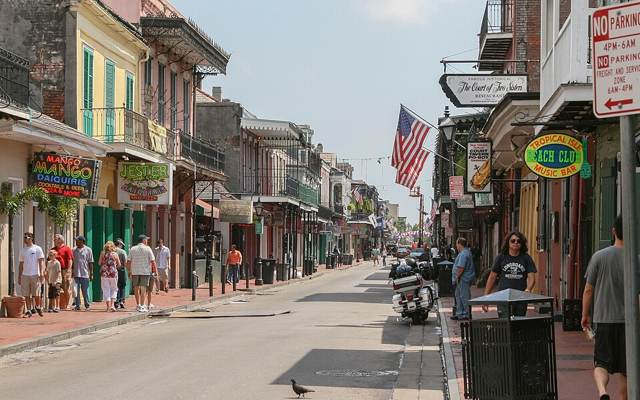
NEW ORLEANSSource-verified · 9/10

New Orleans rap was built by two independent labels on top of the city’s bounce tradition. Master P’s No Limit Records — started as a Bay Area record shop before he brought it home — sold tens of millions through a Priority deal (Ghetto D, MP Da Last Don, Mystikal’s Unpredictable), and the Williams brothers’ Cash Money Records (1991) turned Mannie Fresh’s bounce-schooled production, the Hot Boys (Juvenile, B.G., Turk, Lil Wayne) and a $30 million Universal deal (1998) into 400 Degreez, ‘Bling Bling’ and, a decade later, Tha Carter III’s four Grammys. Curren$y’s Jet Life kept a New Orleans independent lane open in the 2010s, while Baton Rouge produced Kevin Gates (Islah, 2016) and YoungBoy Never Broke Again, whose Atlantic deal (2016) made him one of the most-streamed rappers of his generation.

New Orleans (Uptown incl. Magnolia/C.J. Peete and Calliope/B.W. Cooper projects, Third Ward, Hollygrove) and Louisiana incl. Baton Rouge (North Baton Rouge) · 10 acts

Master P, Mystikal, Mannie Fresh, Juvenile, B.G., Birdman, Lil Wayne, Curren$y, Kevin Gates, NBA YoungBoy

HIPHOPCs coverage: NBA YoungBoyソウル公演・引退表明 (JA)

VIRGINIASource-verified · 1/1

This Virginia record focuses on Missy Elliott’s Portsmouth connection in Hampton Roads, with selected recordings and documented recognition.

Portsmouth and Hampton Roads · 1 act

Coverage boundary: a Portsmouth-focused entry, not a complete history of Virginia and not a merger of Hampton Roads into the Washington-area DMV selection.

Evidence scope: one artist, milestones from 1997 to 2023, and four official source URLs. Missing cities or artists are not treated as absent or unimportant.

Missy Elliott

Last verified 2026-09-05 · Open Virginia Rap Atlas

How this record was built

Every act carries a stated basis (criterion 1: official streaming releases plus national media, chart, certification or award confirmation; criterion 2: a historically significant role confirmed by two or more independent sources), an attribution note separating birthplace, upbringing and base, and at least two first-tier sources (RIAA, Grammy.com, Rock & Roll Hall of Fame, Complex, XXL, The FADER, Rolling Stone, NPR, local papers where reachable). Wikipedia was used only to locate sources, never as a source. Items that could not be verified are recorded as unverified rather than asserted. Editorial notes per scene are kept in the regional database and summarised in each card.

Corrections and evidence submissions

Omissions and factual corrections are accepted through the contact form. Verified fixes are applied to the regional database and this page together and logged with a date. Placement and order are never changed for payment.

Scene records published after this page

Rap Atlas: Philadelphia — 11 Core Acts From a Self-Released 12-Inch to a 2026 Grammy Statuette

The Philadelphia rap scene runs from Schoolly D's 1984 self-released 12-inches through Eve's 2026 Grammy statuette, told through 11 sourced core acts.

Read the Philadelphia record

St. Louis Rap Atlas: Nelly, Murphy Lee and Their Recorded Connections

A focused St. Louis rap record connecting Nelly, Murphy Lee and the St. Lunatics through dated releases, Grammy records and bounded local evidence.

Read the St Louis record