Yuji Tanaka Interview: Rap, Business and Treating Life Like a Game

English translation of the original HIPHOPCs Japanese-language interview. Originally published in Japanese on September 13, 2026. Ages, plans and references to the present reflect the original interview, not a new interview conducted for this translation. The introduction, afterword and repeated phrasing have been condensed for this English edition.
Interview and words: YTG/Sam (Japanese) / Photos courtesy of Yuji Tanaka
In the 1990s, street culture in Japan evolved in its own direction, centered on Tokyo, as young people developed countless styles to assert their identities.
As the influence of bōsōzoku motorcycle gangs gradually faded, youth crews known as teamers and color gangs began filling Shibuya Center-gai at night. Moving from something like the delinquent-schoolboy world of Kyō Kara Ore Wa!! toward the street-crew mood of Ikebukuro West Gate Park, they dressed in American casual wear.
Rejecting rigid hierarchies and seeking freedom above all, they sold party tickets and danced through the night at clubs, sometimes clashing with biker gangs and other delinquents.
It was apparently a distinctive era in Japan, charged with tension and lived along a precarious ethical line.

Yuji Tanaka lived through that world, one that today’s teenagers cannot experience firsthand.
Because people more often see him as an entrepreneur or kickboxer, comparatively few seem to know that he also raps.


Perhaps that is inevitable when the persona people see on shows such as Reiwa no Tora, BreakingDown and REAL VALUE takes on a life of its own.


To put his music forward, he was preparing to release an album that could be described as a culmination of his work. We heard it would feature a striking lineup of established artists.
What does Tanaka, an entrepreneur with an outlaw past, want to communicate through music? HIPHOPCs director YTG/Sam (Japanese) finds out.
Entrepreneur, Former Kickboxing Champion and Rapper: What Belt Is Yuji Tanaka Chasing Next?
Sam: Thanks for joining us. Could you start by introducing yourself?
Yuji Tanaka: I’m Yuji Tanaka: entrepreneur, former kickboxing champion and rapper.
Sam: Thank you.
Let’s start with your early years. What kind of childhood did you have?
Yuji Tanaka: I was born in Chiba City, Chiba Prefecture, as the second son in a relatively comfortable, ordinary family. I was a boy full of energy. My family ran a Chinese restaurant!
Sam: Oh, a Chinese restaurant! I see.
This time I’d like to focus on your music. When did you first encounter music?
Yuji Tanaka: It had nothing to do with hip-hop, but my parents liked the Checkers and Southern All Stars and always played them in the car. That was probably when I was in elementary school.
Sam: How did that energetic boy spend his junior-high and high-school years?
Yuji Tanaka: Music wasn’t really part of my life then.
In second grade, I went with my dad to a local karate dojo, and I kept doing karate throughout elementary school. Maybe that’s when I first became fascinated with strength.
My junior high was newly opened, so from my second year, we were the oldest students. I worked hard as captain of the basketball team for two years. I wasn’t very good, though. [Laughs]
Sam: What about high school?
Yuji Tanaka: Once I got to high school, I went off track—or maybe I was captivated by the streets. In a way, I might have taken playing gangsters as seriously as a school club!
Sam: Were you listening to hip-hop then?
Yuji Tanaka: 2Pac was huge and was playing in clubs, so I was interested. But from my perspective back then, the B-boys around me didn’t look especially cool.
Artists overseas looked cool, but I don’t think there was anyone my age locally making hip-hop I thought was cool. They were more like people we’d target.
The first Japanese hip-hop artist I became aware of was Zeebra.

Sam: Right. Was that after he had left King Giddra?
Yuji Tanaka: Probably after. And Dragon Ash, too—I got to know Japanese hip-hop through the popular acts. So you could call me a casual outsider. [Laughs]
Editor’s note: King Giddra’s official Sony Music biography describes a group hiatus followed by solo activity and a return in 2002, rather than Zeebra leaving the group. The wording of the exchange above is retained from the Japanese interview.
Leading a Crew in High School
Sam: I wanted to ask a little more about your gangster days in high school.
When I picture a gangster, I tend to imagine a B-boy look. What was it actually like?
Yuji Tanaka: Some had long hair, some shaved their heads, and some were B-boys. There were guys who looked like biker-gang members, surfers or Shibuya teamers. It was pretty varied.
Sam: So there were all kinds of looks. That’s a little different from the image I had.
When I looked you up, I saw it said you led 1,000 people. How did you keep that many people together?
Yuji Tanaka: It wasn’t that they were all under my command. In a sense, it was a horizontal network—although, sure, there were hierarchies, too.
We set up lots of branches. It was already a huge organization before I became the leader. I inherited the foundation from the people before me and made it bigger.
I might have been the one who made its image bigger and more firmly established, though.
Sam: Wow. So you were building an organization in high school.
But even while you were on that path, you entered university and graduated. Were your university years still part of that gangster period?
Yuji Tanaka: I don’t know whether I’d officially retired as a gangster, but it was more about trying different things than simply doing bad things.
I was pursuing intellect, violence and influence—all of it.
The Hunger for Strength
Sam: Then, after graduating, you seriously got into kickboxing.
Yuji Tanaka: Right. I’d practiced karate since elementary school, including Kyokushin and Daido Juku, so I’d done quite a lot of martial arts. I admired strength, and I got my professional kickboxing license in six months.
Sam: You can get it in six months?!
Yuji Tanaka: I already had the basics from karate, so I managed it in about that time. But then work got busy and I couldn’t go much.
After some time away, I entered a professional ring at 32.
Sam: Was there something that made you decide to turn pro at that age?
Yuji Tanaka: Watching K-1, I’d think, “I want to step into that ring.” I simply wanted to challenge myself.
Sam: Seriously? That’s quite a career change.
Yuji Tanaka: I fought about once every six months and became a champion for the first time at 35.

I wanted belts from different organizations, so I never defended a title. The return didn’t justify the cost, and defending a title doesn’t get you another belt.
That might be where I differ a little from other fighters. I never set out to live my life as a real fighter.
The boy in me just wanted a championship belt.
Taking on Music
Sam: Then in 2017, you began working as a hip-hop singer.
Yuji Tanaka: Yeah. I first tried making a song at around 40. If I want to do something, I just start.
Sam: Was music on your mind when you became champion at 35?
Yuji Tanaka: Not really. But I did think artists were cool. I’d liked karaoke and singing since elementary school.
Sam: Who were you listening to around then?
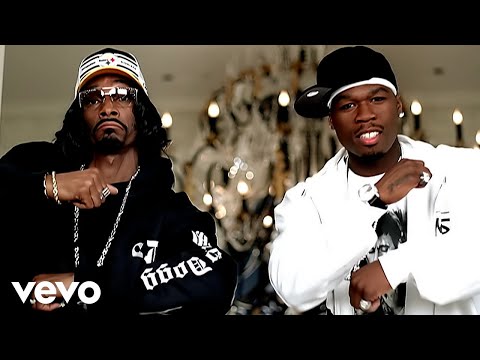
Yuji Tanaka: Mostly overseas artists. 50 Cent, Eminem, Jay-Z—pretty mainstream names.
Sam: You liked 50 Cent. He has that real man’s-man presence; I loved him, too. Any favorite songs?
Yuji Tanaka: “In Da Club” and “P.I.M.P.,” probably.

Sam: Absolutely.
You started as a rap singer in 2017. What led up to your first recording?
Yuji Tanaka: At first I stood out because of that gangster side, so I occasionally did modeling-type work for fashion magazines.
Somehow I also ended up with a regular column in the hip-hop magazine 411.
Sam: That takes me back!
Yuji Tanaka: Right. The editor-in-chief told me, “If you had a song, we’d like to put you on the cover.” It sounded fun.
I don’t think of myself as a true fighter, and strength wasn’t the only thing I wanted to express. I thought becoming an artist might give me more words I could share with people.
Sam: What was making your first song like?
Yuji Tanaka: The singer CIMBA was a member of the gym I run, and he asked, “Shall we make something together?” With help from the head of his company, too, the first song we made was “Osozaki no Hero.”

Meeting Established Names
Sam: Then a while later, you made a track with AK-69. That’s amazing. How did that happen?

Yuji Tanaka: That came through a hip-hop magazine, too. I had a chance to do a joint interview with HOKT from N.C.B.B—North Coast Bad Boyz—and we became friends.
He told me I should make a major-label debut, and I ended up debuting through Victor. When I said I wanted to make a track with AK, HOKT connected us.
Sam: Any particularly memorable stories from working with AK?
Yuji Tanaka: It was my first time making something with a really famous artist.
He’s probably the most professional rapper I’ve met. His approach as an artist really inspired me.

No matter how small a show is, while other rappers are making noise and having fun, he’s rehearsing in the dressing room. When we made a song together, he really thought it through and cared about the details.
Sam: I see. AK is probably the richest rapper in Japan right now, isn’t he?
Yuji Tanaka: Yeah. [Laughs] I’m wealthy, too, so we introduce each other to ways of buying watches at retail prices that you normally can’t get. Thanks to him, I’ve also been able to buy Ferraris that carry a premium.
There’s quite a lot we can talk about because we’re both business owners.
Editor’s note: The remark about AK-69’s wealth is the speakers’ assessment, not a verified ranking of Japanese rappers’ personal wealth.
Sam: After that, you worked with BIG RON, too.

I imagine you notice differences in how each artist records.
Yuji Tanaka: It was different. When I recorded with AK, I was a beginner, so I wanted to fit in with their style and learn from them.
RON, on the other hand, is laid-back in a good way. We rented a studio in Kanagawa that cost about ¥200,000 a day for around two days, so “Stay With Me” cost more than you might think.

Sam: You recently released “GAME CHANGER” featuring Zeebra, and you’re putting out an album, too?

Yuji Tanaka: Right. “GAME CHANGER” is planned for that album.
Sam: That’s exciting. How did you connect with Zeebra?
Yuji Tanaka: Someone older than me introduced us and we became friends. I asked if we could make a track together, and “Life is a Battle” was our first collaboration.
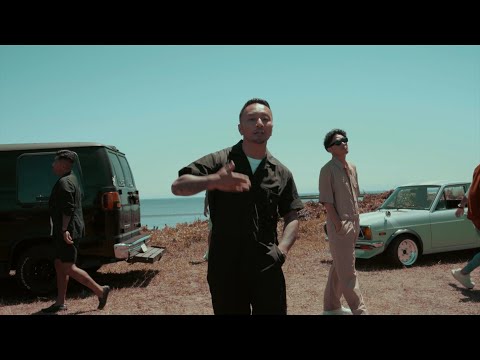
He’s treated me incredibly well since then. When he performed at New Year Rock Festival, he invited me as his only guest. I’m really grateful.
Sam: Amazing. What’s recording with him like?
Yuji Tanaka: He’s relaxed, but he also teaches me seriously. I consult him while I’m writing lyrics, and I learn a lot.
Sam: I can imagine.
You’ve worked with major figures like Zeebra, AK and BIG RON. Is there anything they all have in common?
Yuji Tanaka: They take their work seriously and feel responsible for it. I think they all really gave it their full attention.
Related interview: COCOSPIN on Zeebra’s advice and learning from hip-hop history.
Plans for the Album
Sam: Is the album coming out soon?
Yuji Tanaka: I might release it alongside one more track, probably around October. I’m making a song with DJ CHARI and DJ TATSUKI now.
Sam: You’re collaborating with producers, too. Did they offer advice from a producer’s perspective?
Yuji Tanaka: Of course. They told me, “For this record, write about your life as it really is now, however you want.”
Sam: So it should have a natural, good vibe. Is anyone else on the album?
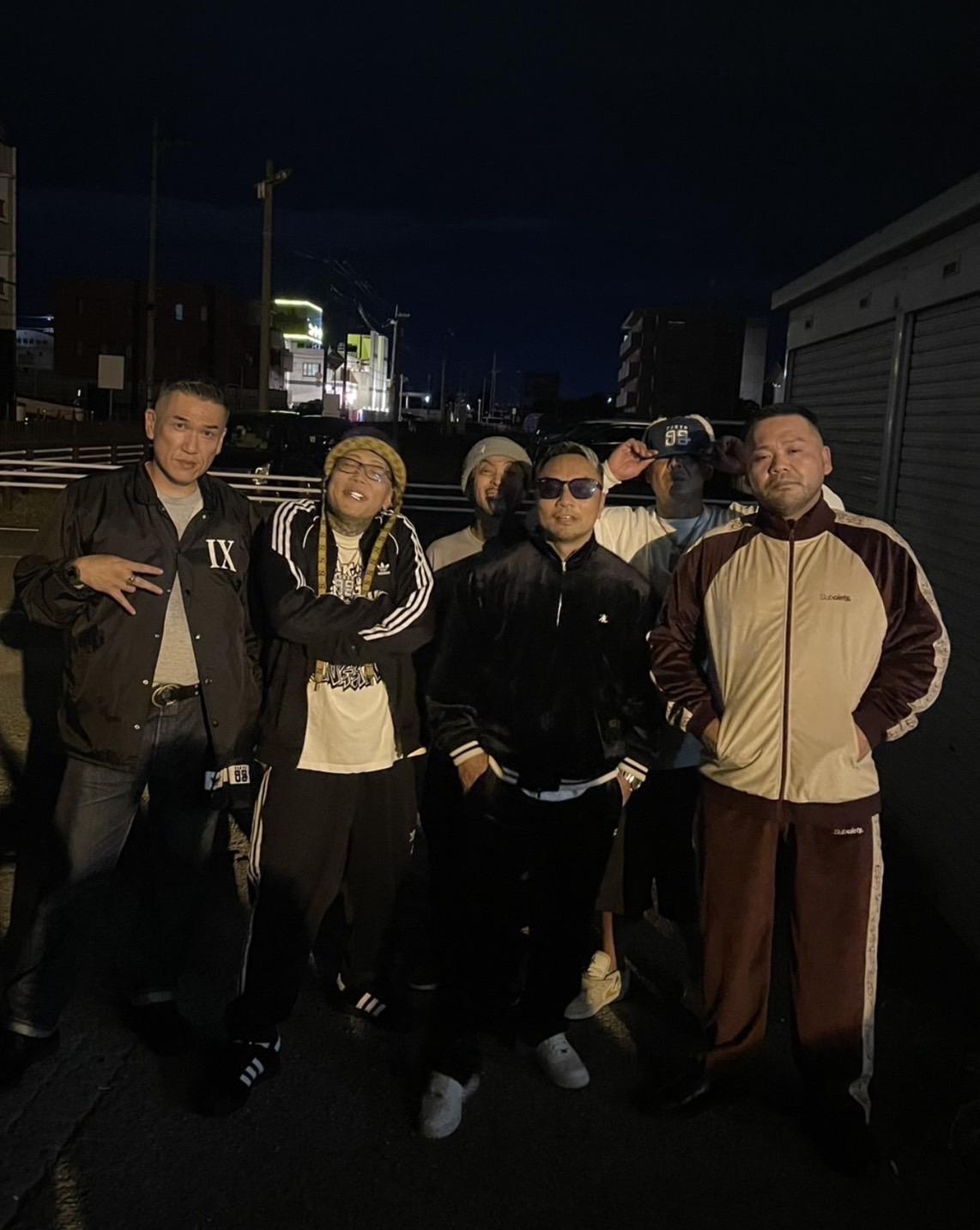
Yuji Tanaka: There’s a song I made quite a while ago with Elle Teresa, one with RYKEY, and I think a track with Kan [KAN a.k.a. GAMI] and D.O will be included. It should be a pretty star-studded album.


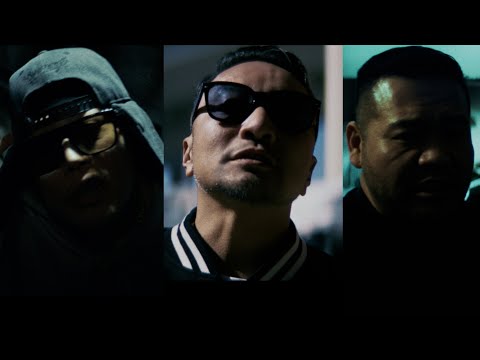
Sam: That’s an incredible lineup. Recording with Kan sounds intense. [Laughs]
Yuji Tanaka: We recorded that one separately. I recorded first, and then Kan recorded to fit my part. Maybe he was showing respect for me as someone older from the streets.
Sam: How many tracks are you planning for the album?
Yuji Tanaka: Probably 11 or 12, almost all with guests. If I release it around October, I’d like to tour.
Sam: With that lineup, you could easily do a headline show. Have you settled on a title or concept?
Yuji Tanaka: Not the title yet. The concept really is the culmination of everything, so it’s like, “What do you think?”
Sam: Anything planned after the album release?
Yuji Tanaka: I’m planning to organize an event in Shinjuku around October or November.
Sam: How do you feel about live shows? Do you like them?
Yuji Tanaka: I’ve been invited to play once or twice a month and have done big festivals in Akita, so I’ve come to like it. I was nervous at first, but I’ve gotten used to it.
Sam: Nice. Quite a few younger artists now say they like making songs but hate performing. Is there a show you’d love to play?
Yuji Tanaka: I’ve played AH-1 about twice, and I’d like to be invited back. Playing THE HOPE or POP YOURS would be amazing, too.
Treating It All Like a Game
Sam: We’ve covered a lot. Is there a message you’d like to give people hearing your music for the first time?
Yuji Tanaka: Because I appear in other media so often, I think my online persona has taken on a life of its own.
I want people to really listen to the lyrics and music without preconceptions. I’ve also lived differently from the typical rapper, so there should be words and turns of phrase that only I can offer. I want people to notice those.
My life, as it is. That’s really what I rap about.
Sam: Will you keep making music?
Yuji Tanaka: I will.
Sam: Is there anyone you’d like to work with?
Yuji Tanaka: Of course, lots of people. YZERR and Yuki Chiba, for example.
Sam: I’ll let them know. [Laughs]
Finally, what would you like to focus on outside music?
Yuji Tanaka: Naturally, I want to grow the businesses I have now, develop my intellectual and financial strength and other abilities, and enjoy life. I’m not thinking about anything that grand.
Music, work and play—I enjoy all of it like a game.
Sam: That’s incredibly cool. Thank you!
Closing Note
Tanaka is frank about why he took up each challenge. He wanted championship belts, but strength was not all he wanted to express. An offer from the editor of 411 helped him take the next step into music, and CIMBA helped him make his first song.
He remembers AK-69 rehearsing even before small shows and describes asking Zeebra for advice while writing lyrics. His request to listeners is equally direct: hear the lyrics and the music without the assumptions attached to his public persona.
Related interview: Hannya on realness, Auto-Tune and the strength of not showing off.
Yuji Tanaka: Official Links and Music
Find Yuji Tanaka’s music and updates through the official pages below.